10 E 39th St, New York, NY 10016 Mon–Fri 8:00 AM – 6:00 PM · Sat 9:00 AM – 2:00 PM Call +1 212-696-1622

Water Damage Restoration & Waterproofing Services in Manhattan

Eastern Waterproofing & Construction handles water cleanup, structural drying, waterproofing and construction repair for residential and commercial properties in New York, NY. The services below describe what each stage of the work involves.

Restoration & Drying

Water damage restoration and cleanup

These services address the immediate effects of a water loss: removing water, cleaning affected areas and drying the structure so that repairs are carried out on dry materials.

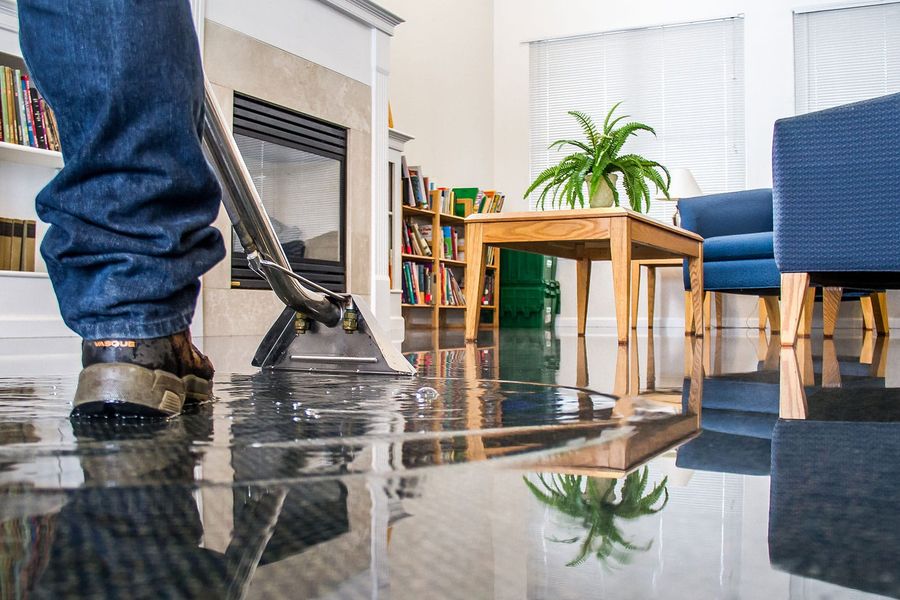
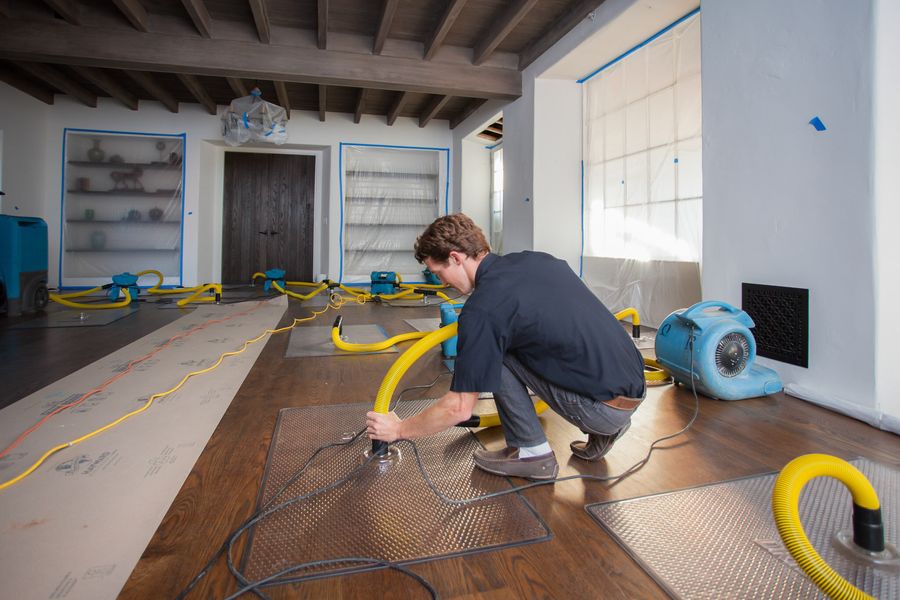
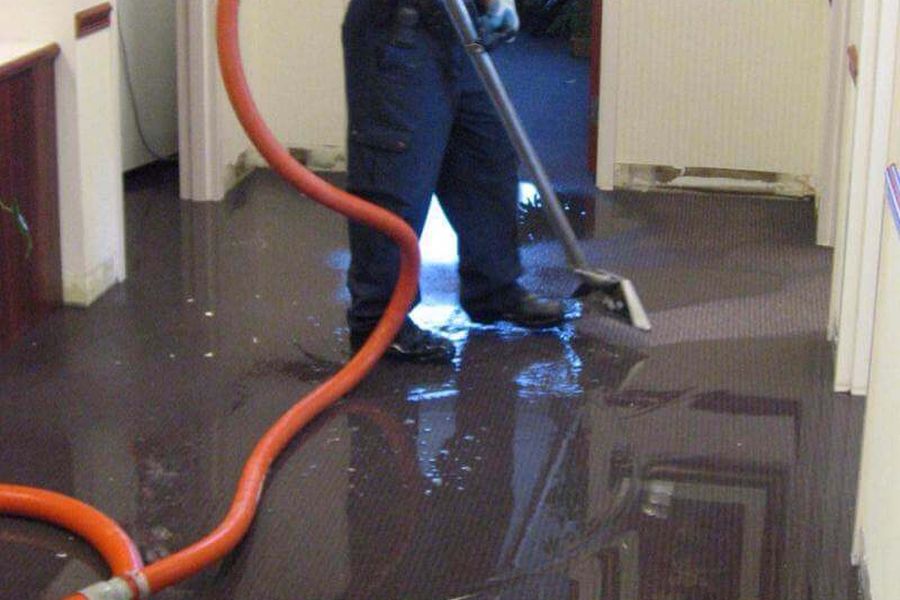
Water extraction from a flooded floor during restoration work Structural drying equipment running in a water damaged room Standing water being cleaned up from an interior hallway

Restoration

Water Damage Restoration

Water damage restoration covers the full response to water entering a building: identifying the source, establishing how far moisture has spread, removing water and affected materials, drying the structure, and completing the repairs needed to return the space to a finished condition. In Manhattan buildings this frequently involves checking adjoining rooms and units, since water travels along framing, through floor assemblies and behind plaster and drywall.

We assess each affected area before work begins and explain the sequence of extraction, drying and reconstruction so you know what to expect at each stage.
Water Removal

Water Removal & Cleanup

Standing water is extracted from floors, slabs, carpet and finished surfaces using pumps and extraction equipment. Saturated materials that cannot be dried in place, such as soaked carpet padding, insulation or damaged sections of drywall, are removed in a controlled way so drying can reach the structure underneath.

Cleanup includes wiping down and cleaning affected surfaces, clearing debris created during removal, and preparing the area so drying equipment can be positioned effectively.

Flood Response

Flood Cleanup

Flooding from storms, street water, sewer backups or major plumbing failures usually affects the lowest levels of a building first, including basements, cellars, storage rooms and ground-floor commercial spaces. Flood cleanup involves removing the water, clearing silt and debris, cleaning hard surfaces, and removing materials that have absorbed contaminated water.

Because flood water often carries contaminants, affected porous materials are frequently removed rather than dried, and the exposed structure is cleaned before drying and reconstruction.

Drying

Structural Drying

Once water is removed, the building itself still holds moisture. Structural drying uses air movers and dehumidification to draw moisture out of framing, subfloors, concrete, plaster and drywall. Equipment placement is based on where moisture readings are highest and on how air can circulate through the affected space.

We monitor readings as drying progresses and continue until the affected materials reach dry levels, because starting repairs over damp material can trap moisture inside the assembly.

Moisture Control

Moisture Control

Moisture control addresses conditions that keep a space damp after the immediate water problem is resolved: persistent humidity in a basement, condensation on cold surfaces, damp walls at grade level, or slow seepage that repeatedly wets the same area. Work may include dehumidification, sealing, drainage adjustments and improving how the affected space handles moisture.

Identifying whether a damp area is caused by an active leak, groundwater or condensation determines which corrective work is appropriate.

Leak Damage

Leak Damage Cleanup

Leaks from supply lines, waste lines, radiators, appliances, roofs and facades can run for a long time before they become visible. Typical signs include stained or sagging ceilings, bubbling paint, soft drywall, warped flooring and a persistent damp smell. Cleanup involves opening up the affected area enough to reach the wet material, drying the cavity, and repairing the finishes afterwards.

Where the leak is still active, the affected area is dried and repaired once the source has been shut off or corrected.

Waterproofing & Construction

Waterproofing, repair and reconstruction

After drying, the remaining work is keeping water out and rebuilding what was removed. These services cover waterproofing and the construction repairs that finish a restoration project.

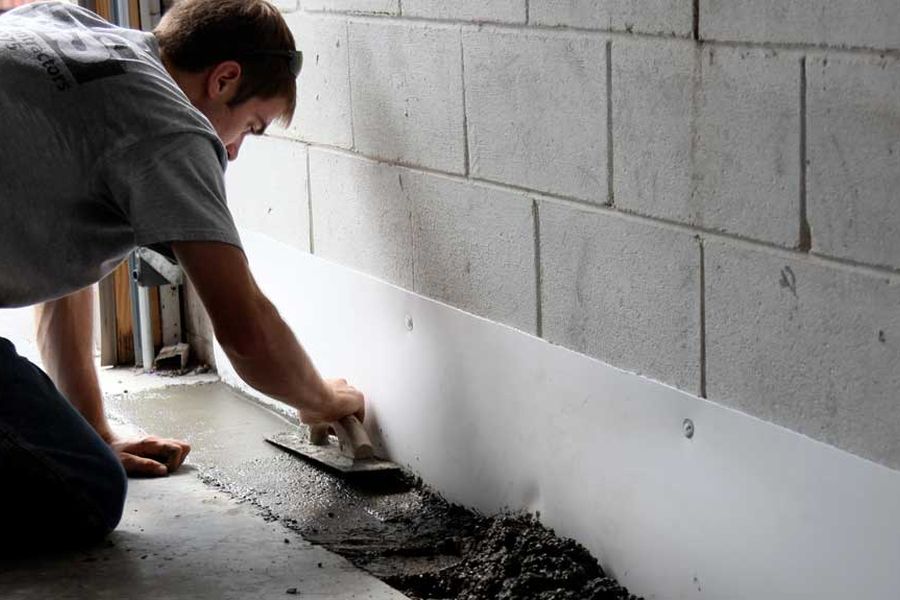
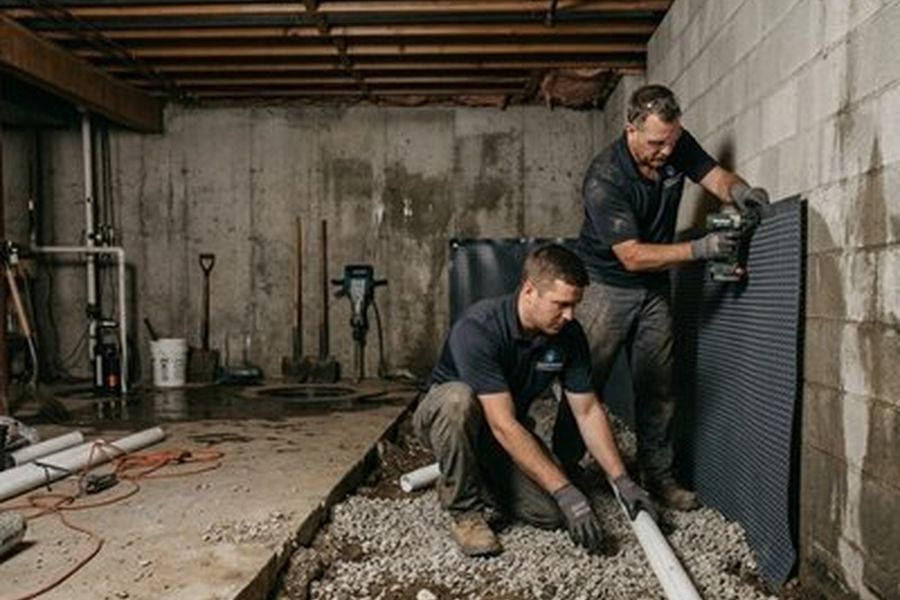
Waterproofing treatment being applied to a building wall Basement waterproofing and drainage installation Interior drywall and ceiling finishing during restoration

Waterproofing

Waterproofing Services

Waterproofing work targets the surfaces and joints where water enters a building. Depending on the location, this can include sealing walls and foundations, treating below-grade surfaces, addressing cracks and cold joints, and improving how water is directed away from the structure. As a waterproofing contractor in New York, we look at where the water is coming from before selecting the approach.

Waterproofing is often carried out alongside restoration work, since exposed areas provide access that would otherwise require opening up finished surfaces again.

Basements

Basement Waterproofing

Basements and cellars in Manhattan buildings are below grade, which means they are exposed to groundwater pressure, seepage through walls and floors, and repeated wetting during heavy rain. Basement waterproofing addresses wall seepage, floor moisture, cracks and drainage paths so water is managed rather than left to collect in the space.

Work may include surface preparation and sealing, crack treatment, drainage improvements and dehumidification to keep the finished space dry.

Repair

Ceiling & Wall Repair

Ceilings and walls are usually the first surfaces to show water damage, particularly where a leak originates in the unit or roof above. Repair work involves removing damaged plaster or drywall, checking and drying the cavity behind it, repairing or replacing the affected section, and finishing the surface so it matches the surrounding area.

Where a ceiling has sagged or become soft, the affected section is removed rather than patched over, so the repair is made on sound material.

Drywall

Drywall Repair

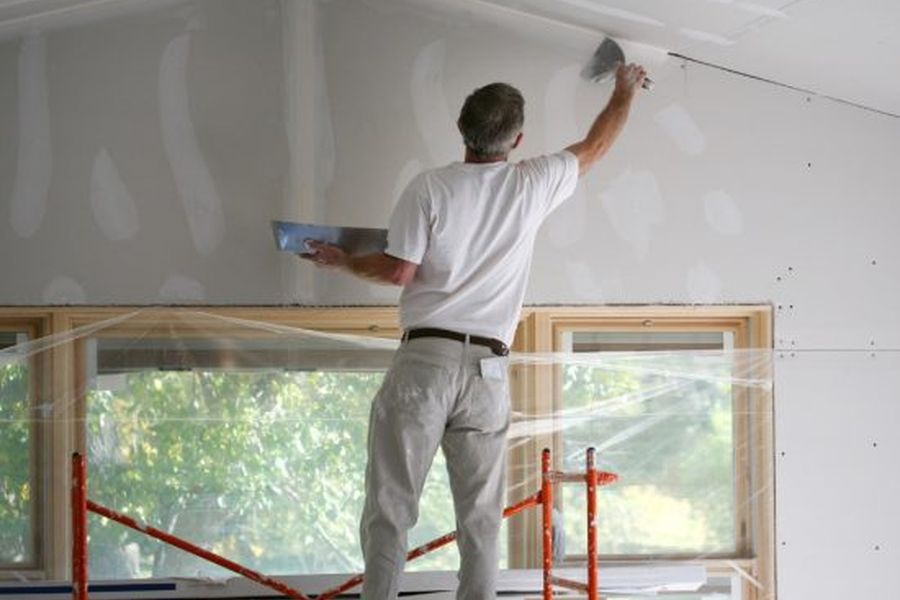
Drywall repair covers cutting out water-damaged sections, replacing board, taping, compounding and sanding to a smooth finish ready for priming and painting. Small openings made for drying access are closed and finished as part of the same work.

Corner beads, joints and transitions are finished so repaired areas blend into the existing wall or ceiling plane rather than standing out.

Interiors

Interior Restoration

Interior restoration brings a room back to a usable, finished state after water damage work. This can include reinstating wall and ceiling surfaces, trim and baseboards, doors and frames affected by moisture, and preparing surfaces for final finishes. Property restoration in Manhattan often has to work around occupied neighbouring spaces, so the sequence of work is planned with that in mind.

We confirm the scope of finishing work with you before it starts, so the restored area matches the rest of the property.

Construction

General Construction Repair

Some water losses require structural or general construction repair beyond surface finishes: framing that has been removed, subfloor sections that need replacing, masonry and concrete repairs at the point of water entry, or carpentry associated with rebuilding an affected area. These repairs are carried out as part of the same project so the work is coordinated from cleanup through to completion.

If work falls outside what we handle directly, we say so clearly rather than taking it on.

Service Areas

Where these services are available

We provide water cleanup and waterproofing services across Midtown Manhattan and the surrounding neighbourhoods. Read more about how we work on our about page.

  • Midtown East
  • Murray Hill
  • Kips Bay
  • Turtle Bay
  • Gramercy
  • Flatiron District
  • Manhattan
  • New York City

Not sure which service you need?

Describe what you are seeing and we will tell you which stage of work applies. Call +1 212-696-1622 or send the details through the estimate form.